Cities and the road safety challenges

16 March 2021

Share

Speed is one of the cities’ road safety challenges and it is not the only risk on the roads and throughout the city streets. The increase in modes of transport like bikes and scooters has brought an increase in dangerous behavior. While roads and streets cannot be stretched, local authorities have to find solutions to get all the users to live together.

Speed control

Reducing speed in urban areas is often the first step to reduce accidents, that is why vehicle speed is already limited to 30km per hour in many city centers. Local authorities are struggling to be able to accurately detect speed infringement, and especially including criteria such as the multi lane detection, the vehicle classification, two-wheeled vehicles… Some cutting-edge speed control systems allow to get more than the precise vehicle speed measurement and offer the distance detection, the vehicle tracking through the 3D LiDAR technology, etc.

IMG_8797

But not only

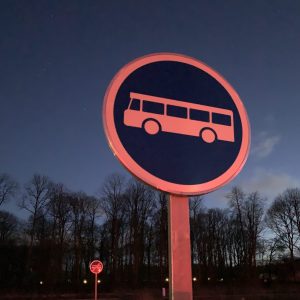
Given the increase in vehicles and individual means of transport, especially since the beginning of the COVID crisis, infringement go on even more increasing. The capability to manage the circulation flows and to get them to live together remains one of the man issues for local authorities. The diversified users have brought many infringement possibilities such as running red lights, circulating on bus or cycle lanes, right-of-way violations… Cities need to count and identify all the users using roads and streets, every type of vehicle and pedestrian, in order to be able to detect every possible infringement.

A better traffic flow management through appropriate infrastructures

Traffic issues include environmental issues because of the direct impact of the increase in circulation on the environment and health. While more than 50% of the global population live in the town, the UN forecasts that they will be 60% by 2030. Road safety challenges have become one of the major issues regarding urban infrastructure and the increase in modes of transport involves the appropriate management of all the traffic flows. Some solutions allow to accurately identify and classify the different road users, count them and then collect data necessary to adapt the urban infrastructure.

Contact us

Fields marked with * are required.

This field is for validation purposes and should be left unchanged.

Similar articles

News
Production Optimization

8 June 2026

Industrial Functional Analysis: Reduce Risks and Ensure Project Success

A good Functional Analysis costs less than a bad one. Learn more about how a high-quality FA improve your industrial automation projects.

Read more

News
Road Safety on European Roads

22 April 2026

What is happening on the European roads?

Is it safe to travel on European Union roads? The latest figures from the European Commission paint a mixed picture, with lives saved but progress still falling short.

Read more

News
Industrial Data Management

20 April 2026

Industrial Data Management: Successfully Centralizing Data with AVEVA Engineering

Optimize your industrial data management with AVEVA Engineering: centralization, migration, structuring, and best practices explained simply.

Read more