


 Another notable cause for concern: in 2024, the ONR highlighted a decline in departmental investments in their road networks, the first since 2016. This decrease, averaging around -9%, affects both large departments (-5%) and medium-sized ones (-8% to -14%), with only the smallest departments maintaining a slightly positive level (+1.6%).
This trend is primarily explained by a tight budgetary context for local authorities, which are forced to make trade-offs between priorities, such as social services, education, or school transportation, while also facing persistently rising costs of materials and construction works.
More Vulnerable Roads… and Users at Risk
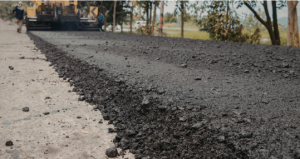
The report also emphasizes that, despite maintenance efforts in recent years, a significant portion of the departmental road network is experiencing gradual deterioration. According to some estimates associated with the survey, nearly 13% of the departmental network is in poor condition, and around 27% require regular maintenance, figures comparable to those observed on the non concessioned national network.
This deterioration has clear implications for road safety. On degraded road surfaces, the risks of loss of grip, run-off-road incidents, or unexpected vehicle reactions increase, particularly for motorcyclists and cyclists, who are more sensitive to pavement conditions. This results in greater exposure to hazardous situations, especially on departmental roads outside urban areas, where speeds are often higher and signage less consistent.
At the same time, the need to modernize this network is frequently cited as a major challenge by local authorities, who highlight the lack of short-term funding solutions to address the maintenance and modernization of aging infrastructure.