



The report highlights a first: the systematic integration of climate-related hazards into the assessment of infrastructure conditions. Of the 65 departments and 4 metropolitan authorities that took part in the survey, 46 asset managers provided data on the impacts of climate change on their networks. While this progress reflects a genuine growing awareness, participation remains partial, showing that the integration of climate risk into infrastructure management is still far from being fully widespread.
Climatic phenomena such as heatwaves and freeze–thaw cycles accelerate the deterioration of road surfaces and engineering structures. It is well established that these variations increase the risk of subsidence or deformation, directly affecting user safety. A weakened roadway can reduce trajectory readability and trigger unexpected vehicle reactions—particularly for two-wheel users and cyclists, who remain among the most vulnerable road users.
While this awareness is still relatively recent, it places the climate resilience of infrastructure at the heart of technical and financial concerns. Integrating these factors into the day-to-day management of road networks is now essential in order to anticipate deterioration and prevent extreme weather conditions from turning into hazardous zones for drivers.
Road Safety: A Direct Link to Road Quality
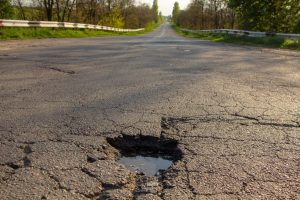 According to Road Safety authorities, the condition of infrastructure directly impacts the occurrence of serious accidents. Deteriorated road surfaces also increase risks for light vehicles, particularly regarding run-off-road incidents. Moreover, infrastructure maintenance is not an isolated issue—it has direct implications for road safety. The latest monthly barometers from the National Interministerial Road Safety Observatory (ONISR) confirm that road mortality remains a concern in 2025. In October 2025 alone, 276 people lost their lives on metropolitan French roads, despite a slight decrease compared to the previous year.
Finally, the report emphasizes that road safety does not depend solely on driver behavior. Regular maintenance, infrastructure modernization, and adaptation to extreme weather conditions are all factors that help reduce accidents. Well-maintained roads that are resilient to climatic hazards significantly improve traffic flow and make driving safer for everyone—from motorists to cyclists and pedestrians alike.